
How to Improve Handwriting Skills for School Kids
A practical guide for parents from the perspective of experienced teachers
Handwriting skills are one of the first academic skills children develop when they begin school. Even in today’s digital world, where keyboards and screens are common, handwriting still plays an important role in a child’s learning journey.
Teachers often notice that students who develop clear handwriting early tend to perform better in written exams, classwork, and assignments. Neat handwriting also improves a child’s confidence. When students can write clearly and comfortably, they are able to express their ideas more easily.
However, many parents worry when they notice that their child’s handwriting looks messy, uneven, or difficult to read. Some wonder if they should start handwriting practice earlier. Others feel confused about which methods are actually helpful.
The good news is that handwriting is a skill that improves gradually with the right guidance and consistent practice. With patience and encouragement, most children can develop strong handwriting habits.
This guide explains when handwriting development should begin, what techniques teachers recommend, and how parents can support their children effectively at home. This guide was approved by the top CBSE schools in Chennai.
When Should Handwriting Practice Begin?
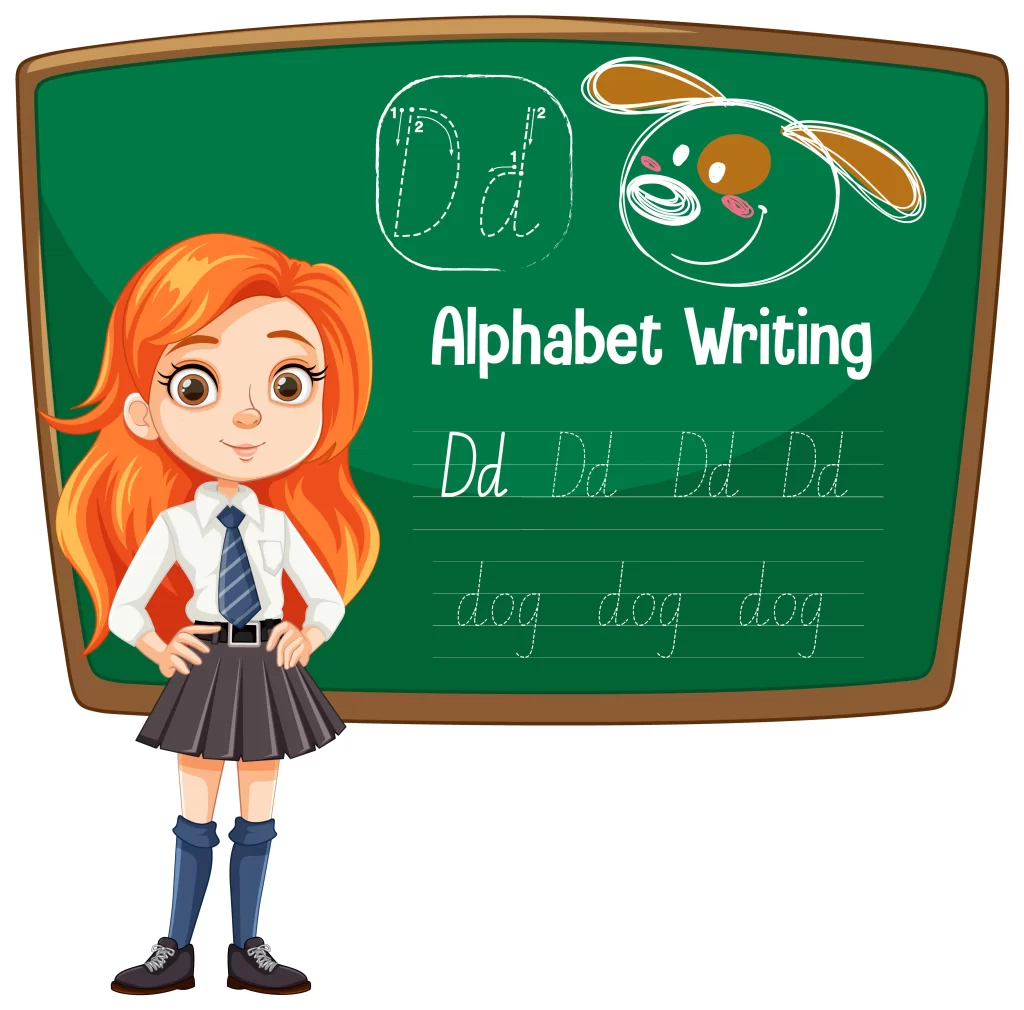
Many parents think handwriting skills should start very early, sometimes even before children enter preschool. But experienced teachers usually recommend a more gradual approach.
Before children learn to write letters and words, they first need to develop fine motor skills. These skills help children control the small muscles in their hands and fingers.
Fine motor development usually begins around the age of three to four years.
At this stage, children should not be forced to write letters immediately. Instead, schools focus on activities that prepare the hand for writing.
These activities include:
- Drawing lines and shapes
- Coloring pictures
- Playing with clay or dough
- Tracing patterns
- Holding crayons and pencils
These exercises strengthen the hand muscles and improve coordination between the eyes and hands.
Once children enter Kindergarten (LKG or UKG), they gradually begin learning how to form letters and numbers properly.
Starting handwriting too early can create frustration for children. The key is to allow them to develop motor control first, and then introduce writing slowly.
Why Handwriting Still Matters in the Digital Age
Some parents question whether handwriting skills are still necessary when technology is widely used in education.
While digital tools are useful, handwriting offers several unique learning benefits.
When children write by hand, their brains actively process information in a different way than typing. Writing helps improve memory, concentration, and comprehension.
Research and classroom observations have shown that handwriting supports:
- Better spelling development
- Stronger reading skills
- Improved attention and focus
- Greater ability to organise thoughts
Teachers often notice that students who write notes by hand remember information more clearly during exams.
For young learners especially, handwriting strengthens the connection between visual learning, motor movement, and language development.
Common Handwriting Problems Parents Notice
Parents often approach teachers with concerns about their child’s handwriting skills. Some common issues include:
- Letters that are too large or too small
- Uneven spacing between words
- Difficulty holding the pencil correctly
- Slow writing speed
- Letters formed incorrectly or inconsistently
These problems are usually normal during the early learning stages. Handwriting improves through repeated practice and proper guidance.
Instead of worrying too much about perfection, parents should focus on helping children build comfortable writing habits.
Building the Right Pencil Grip
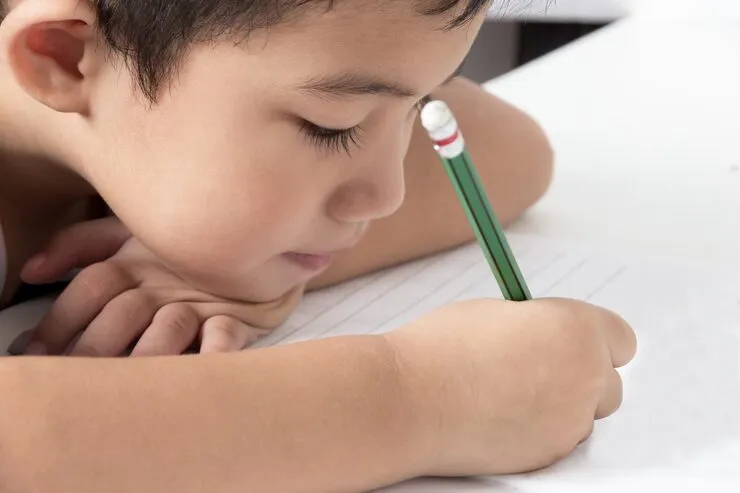
One of the most important foundations of good handwriting is the correct pencil grip.
Many young children hold pencils in unusual ways because their hands are still developing coordination.
Teachers usually encourage a grip known as the tripod grip, where the pencil is held between the thumb and index finger while resting on the middle finger.
Parents can help children learn this grip by:
- Demonstrating the correct way to hold a pencil
- Using slightly thicker pencils for beginners
- Encouraging relaxed hand movement rather than tight gripping
Children should feel comfortable while writing. If the hand becomes too tense, writing becomes tiring and messy.
The Importance of Posture While Handwriting Skills Practice
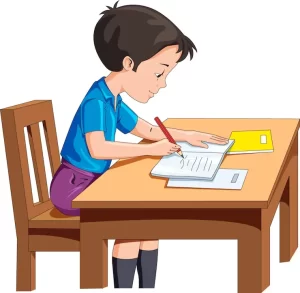
One of the most important foundations of good handwriting is the correct pencil grip.
Many young children hold pencils in unusual ways because their hands are still developing coordination.
Teachers usually encourage a grip known as the tripod grip, where the pencil is held between the thumb and index finger while resting on the middle finger.
Parents can help children learn this grip by:
- Demonstrating the correct way to hold a pencil
- Using slightly thicker pencils for beginners
- Encouraging relaxed hand movement rather than tight gripping
Children should feel comfortable while writing. If the hand becomes too tense, writing becomes tiring and messy.
Effective Methods Teachers Use to Improve Handwriting
Experienced teachers often use simple but effective techniques to help students improve their handwriting.
These methods focus on consistency, repetition, and gradual improvement.
Tracing Practice
Tracing is one of the most helpful early techniques.
Children trace over dotted letters or patterns, which helps them understand the correct direction and shape of each letter.
This builds muscle memory in the hand.
Pattern Writing
Before writing letters, students often practice patterns such as:
- Straight lines
- Curved lines
- Zig-zag shapes
- Circles and loops
These patterns strengthen hand coordination and prepare children for letter formation.
Slow and Careful Writing
Teachers often remind students that handwriting should not be rushed.
Writing slowly allows children to focus on:
- Letter shape
- Proper spacing
- Consistent size
Once the child becomes comfortable, speed improves naturally.
Copywriting
Copywriting is another common classroom practice.
Students copy sentences from the board or textbook while focusing on neatness and spacing.
This helps them develop discipline and attention to detail.
Fun Activities That Improve Handwriting
Handwriting practice does not always need to feel like work. Parents can make the process enjoyable through creative activities.
Some helpful activities include:
- Writing letters in sand or rice trays
- Using chalk on a board or pavement
- Drawing shapes and patterns with colored markers
- Playing games that involve writing short words
These playful activities keep children interested while improving their writing skills.
Encouraging Patience and Confidence
One of the most important roles parents play is providing encouragement.
Children often feel discouraged if their handwriting is criticised frequently.
Instead of pointing out mistakes constantly, parents can highlight improvements.
For example:
- Praising neat letters
- Recognising consistent effort
- Celebrating small progress
Positive reinforcement builds confidence and motivates children to continue improving.
Balancing Handwriting and Academic Pressure
Modern students often face pressure from multiple academic expectations.
Teachers usually advise parents not to overload children with excessive handwriting practice.
Short, regular practice sessions are more effective than long, tiring sessions.
For example:
- 10 to 15 minutes of focused writing practice each day is usually sufficient for gradual improvement.
- Children should also have time for play, physical activity, and relaxation.
- Balanced routines help children stay motivated and mentally refreshed.
When Should Parents Seek Extra Help?
In some cases, handwriting difficulties may persist despite regular practice.
If a child continues to struggle with writing after consistent effort, parents may consider seeking guidance from teachers or specialists.
Some children may require additional support for issues such as:
- Fine motor coordination challenges
- Difficulty forming letters correctly
- Slow writing speed
Teachers usually observe these patterns in the classroom and can recommend helpful strategies.
Early support ensures that children gain confidence and do not feel discouraged.
The Long-Term Value of Good Handwriting
Good handwriting offers benefits that extend beyond school.
Clear writing helps students:
- Present their ideas effectively
- Perform better in written exams
- Develop organized thinking habits
In many academic situations, examiners must read handwritten answers quickly. Neat handwriting helps ensure that answers are understood clearly.
Students who write confidently also experience less stress during timed examinations.
Over time, handwriting becomes an automatic skill that supports learning in many subjects.
Final Tips
Improving handwriting is a gradual process that requires patience, practice, and encouragement.
Children should never feel pressured or criticised while learning this skill. Instead, they should experience handwriting as a natural part of their educational journey.
When parents and teachers work together to support children, handwriting becomes easier and more enjoyable.
By focusing on proper habits, consistent practice, and positive encouragement, parents can help their children develop handwriting skills that will benefit them throughout their school years and beyond. Prepared by Jawahar Global Academy and Jawahar Vidyalaya Senior Secondary School