
How to Improve Basic Maths Skills for School Children
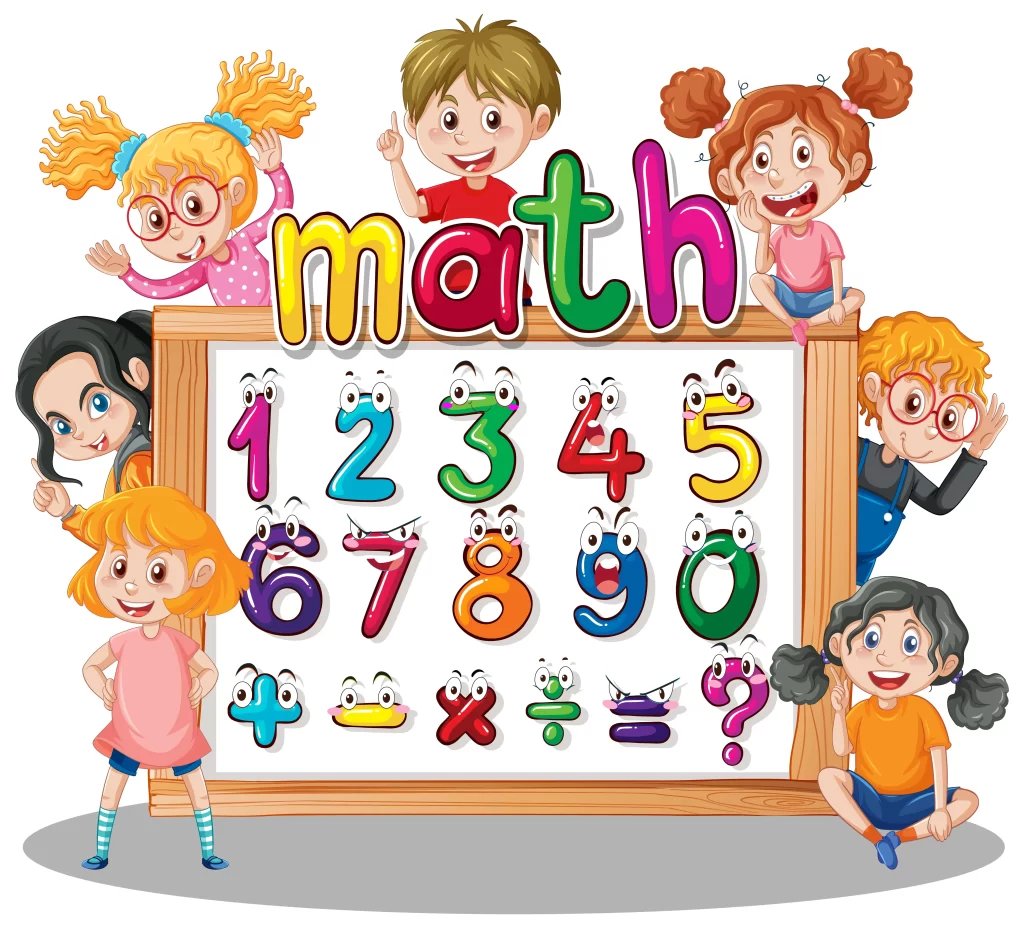
A simple guide for parents to help kids learn addition, subtraction, multiplication, division and tables (vaaipaadu)
Mathematics is one of the most important subjects children learn in school. Basic maths skills such as addition, subtraction, multiplication, and division form the foundation for many subjects students will study later.
However, many parents feel worried when their children struggle with basic calculations. Some children may take longer to solve simple sums, while others may find multiplication tables difficult to remember.
From a teacher’s perspective, it is important to understand that mathematics learning is a gradual process. When children are introduced to concepts step by step and practice regularly, their confidence in maths improves naturally.
This guide explains how parents can help children strengthen their basic maths skills at home. This guide was approved by the top CBSE schools in Chennai.
Step 1: Building Number Understanding
Before children start solving sums, they must first understand numbers clearly.
Young learners should become familiar with:
- Counting numbers
- Recognising numbers
- Understanding the value of numbers
Teachers often use simple activities such as counting objects, toys, or fruits to help children understand numbers.
For example, parents can ask questions like:
- How many apples are on the table?
- Can you count the pencils in your bag?
These small activities help children connect numbers with real objects.
Step 2: Learning Addition (Basic Sums)
Addition is usually the first mathematical operation children learn.
Addition means combining numbers together.
For example:
2 + 3 = 5
Teachers often teach addition using objects.
Example:
If a child has 2 pencils and receives 3 more pencils, the total becomes 5 pencils.
Using objects makes the concept easier to understand.
Simple addition practice
Parents can practice with children using:
- fingers
- small toys
- beads
- fruits
Once children understand the concept, they can move on to written sums.
Step 3: Understanding Subtraction
Subtraction means taking away from a number.
Example:
5 − 2 = 3
Teachers often explain subtraction using real situations.
Example:
If a child has 5 chocolates and gives 2 chocolates to a friend, how many chocolates remain?
This approach helps children understand subtraction more clearly.
Parents can encourage children to think about subtraction in everyday situations.
Step 4: Learning Multiplication
Multiplication is often introduced after children become comfortable with addition.
Multiplication means repeated addition.
Example:
3 × 4 means adding 4 three times.
4 + 4 + 4 = 12
Teachers often explain multiplication using groups.
Example:
If there are 3 groups of 4 apples, the total number of apples is 12.
Using pictures or objects helps children visualise multiplication easily.
Step 5: Multiplication Tables (Learning Vaaipaadu)
In Tamil education systems, multiplication tables are often called “vaaipaadu”.
Memorising tables helps children solve multiplication problems faster.
Common tables include:
2 × 1 = 2
2 × 2 = 4
2 × 3 = 6
Tables usually begin from 2 and go up to 10 or 12.
Teachers often encourage children to practice tables through:
- repetition
- rhythm or songs
- daily practice
Parents can make table learning interesting by asking questions during daily activities.
For example:
If one box contains 5 chocolates, how many chocolates are there in 3 boxes?
These small questions strengthen table knowledge.
Step 6: Understanding Division
Division is the opposite of multiplication. It means sharing or splitting numbers equally.
Example:
12 ÷ 3 = 4
Teachers explain division using sharing examples.
Example:
If 12 sweets are shared equally among 3 children, each child receives 4 sweets.
This helps children understand the concept of division clearly.
Making Basic Maths Skills Practice Fun at Home
Mathematics should not feel like a stressful subject for children. Parents can help children enjoy maths through simple activities.
Some useful methods include:
Asking children to count objects around the house
Practicing tables during daily routines
Solving small sums during shopping or cooking
Playing number-based games
When maths becomes part of daily life, children learn faster.
Encouraging Confidence in Maths
Some children feel nervous about mathematics because they fear making mistakes.
Teachers usually encourage students to see mistakes as part of learning.
Parents can support children by:
- appreciating their effort
- encouraging them to try again
- avoiding comparison with other students
Confidence grows when children feel supported.
Balancing Practice and Understanding
Memorising formulas or tables alone is not enough. Children should also understand the logic behind the calculations.
For example, a child who understands multiplication as repeated addition will find division easier to learn.
Teachers often recommend a balanced approach:
- understanding concepts
- regular practice
- problem-solving exercises
This combination helps children build strong mathematical skills.
Final Thoughts
Basic maths skills form the foundation for many advanced subjects in school. When children develop confidence in addition, subtraction, multiplication, and division, they are better prepared for more complex mathematics later.
Parents play an important role in encouraging children to practice maths regularly. By making learning enjoyable and supportive, parents can help children develop a positive attitude toward mathematics.
With patience, practice, and encouragement, every child can improve their basic maths skills and feel confident solving problems. Prepared by Jawahar Global Academy and Jawahar Vidyalaya Senior Secondary School